The Silver Dragon and the Power of Myth: Exploring Symbolism in Michael the Brave and the Silver Apple

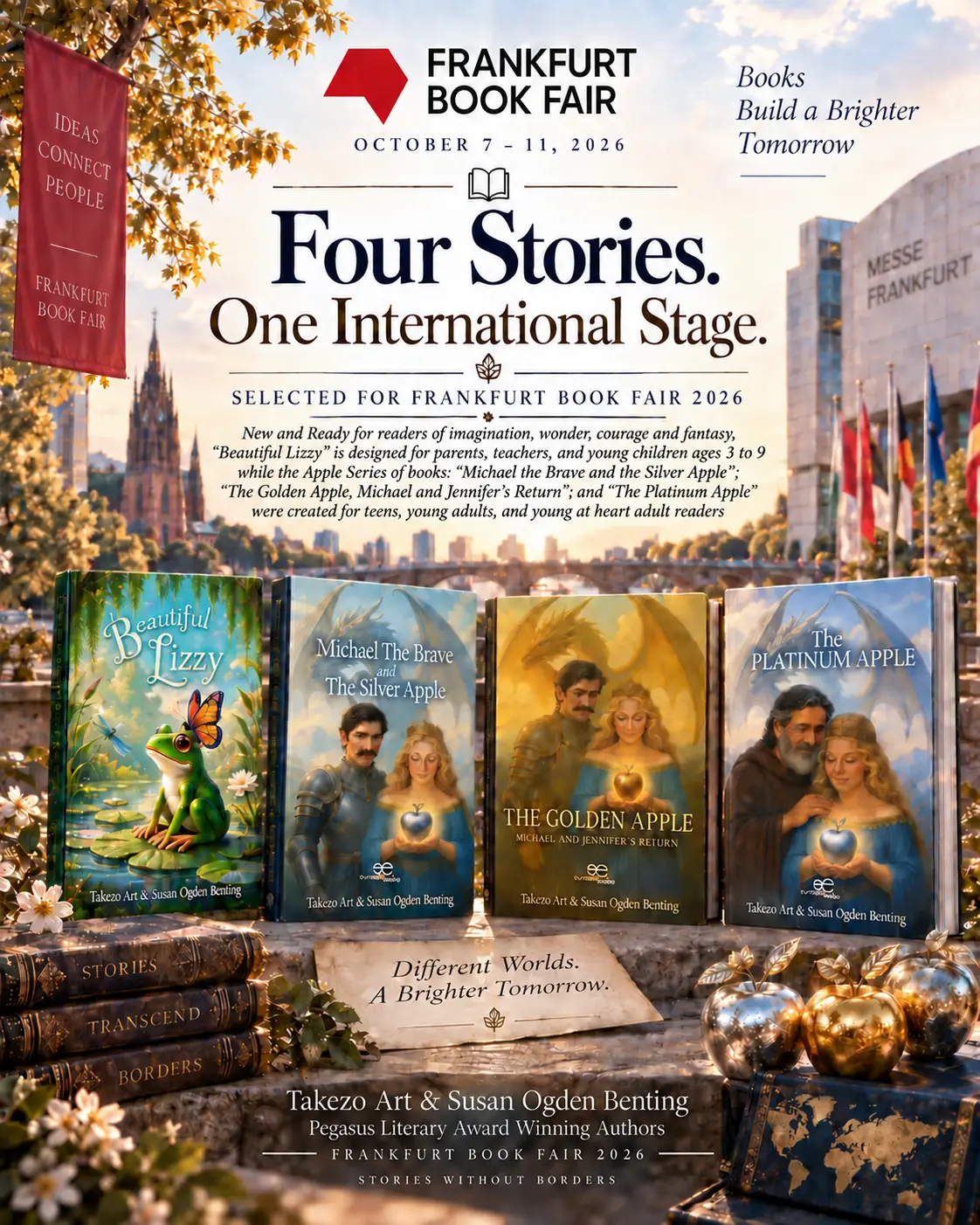
Fantasy literature has long used dragons, magical artifacts, and distant kingdoms to explore deeper truths about humanity. In Michael the Brave and the Silver Apple, the Silver Dragon and the legendary Silver Apple are far more than plot devices; they are powerful symbols woven into a story about leadership, destiny, and moral courage.
For readers seeking epic fantasy with deeper meaning, this novel stands out as a layered exploration of myth and character, not merely a traditional dragon-slaying adventure.
The Silver Dragon: Fear, Trial, and Transformation
In many dragon fantasy novels, dragons represent destruction or serve as guardians of treasure. In this story, however, the Silver Dragon becomes something more profound: a test of worthiness.
When King Steward announces that whoever retrieves the Silver Apple will inherit the throne, the quest is not about brute strength. The quest becomes a trial of courage, humility, and inner resolve instead. Knights in shining armor fall. Experienced warriors perish. Confidence turns to fear.
The Silver Dragon functions as a gatekeeper not of gold, but of destiny.
readers who are interested in:
- Dragon symbolism in fantasy
- Meaning behind mythical creatures
- Hero’s journey archetypes
- Moral lessons in epic fantasy
will find rich thematic depth within this narrative.
The dragon forces each challenger to confront not just a beast, but to confront themselves.
The Silver Apple: Wisdom Over Power
The Silver Apple is said to grant wisdom and long life, but its true meaning runs deeper. Unlike a weapon or a crown, the apple symbolizes knowledge, maturity, and readiness to lead.
In high fantasy fiction, magical artifacts often grant power. Here, the artifact symbolizes responsibility.
This distinction sets Michael the Brave and the Silver Apple apart from many traditional fantasy adventure novels. The throne cannot be won by birthright alone. It must be earned through bravery and moral clarity.
For readers researching themes like:
- Leadership in fantasy literature
- The symbolism of magical objects
- Wisdom versus ambition in fiction
- Succession conflicts in epic fantasy
this novel offers thoughtful material to explore.
A Study in Leadership and Legacy
At its core, this is not just a story about dragons and castles. It is about what kind of leader deserves to rule.
King Steward represents sacrificial leadership. Princess Jennifer embodies empathy and vision. Brutus symbolizes corruption and unchecked ambition. Michael, the unlikely hero, embodies earned courage.
Through these characters, the novel examines timeless questions:
- Is leadership inherited or achieved?
- Can law override justice?
- What separates a ruler from a tyrant?
These philosophical undertones elevate the novel beyond simple fantasy entertainment, placing it firmly within character-driven epic fantasy.
Why Symbolic Fantasy Resonates Today
Modern readers are increasingly drawn to fantasy stories that offer emotional and thematic depth. While worldbuilding and battle sequences remain important, audiences also seek meaning in the magic.
Michael the Brave and the Silver Apple meets that demand by combining:
- Classic dragon mythology
- Political intrigue
- Coming-of-age storytelling
- Hero’s journey structure
- Symbolic storytelling
The Silver Dragon is not just an obstacle. The Silver Apple is not just a prize. Together, they represent the kind of transformation that shapes not only a kingdom but the soul of the one brave enough to face them. For readers searching for epic fantasy novels with dragons and deeper symbolism, this story offers both spectacle and substance.