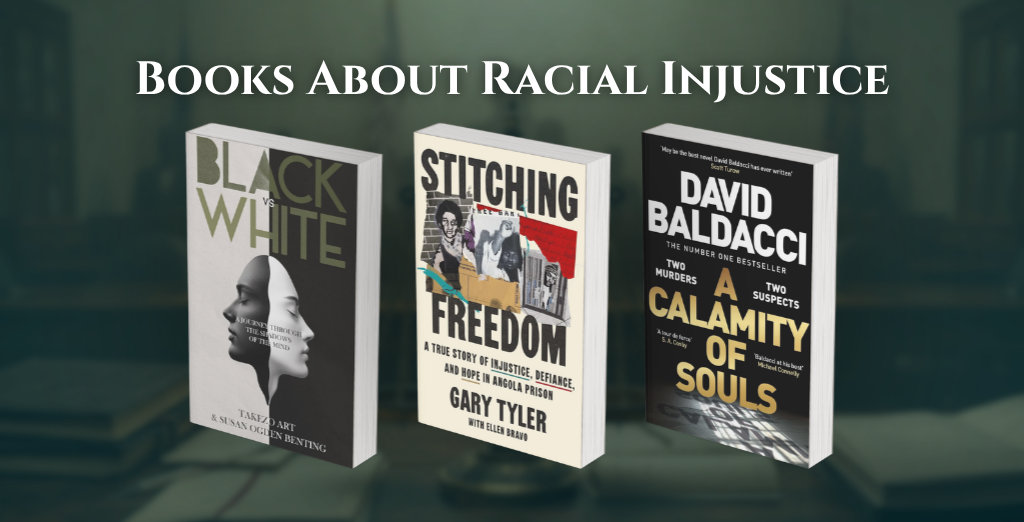
Books about racial injustice reveal how bias can affect police work, courtrooms, prisons, and public attitudes. While many books on racism explore history, identity, politics, and education, these five focus on criminal justice and what happens when the system accepts a false story.
This list features investigative nonfiction, memoir, legal fiction, and historical drama. If you are looking for a book about race discrimination, social justice, or a courtroom story about an unfair trial, these recent titles are a good place to start.
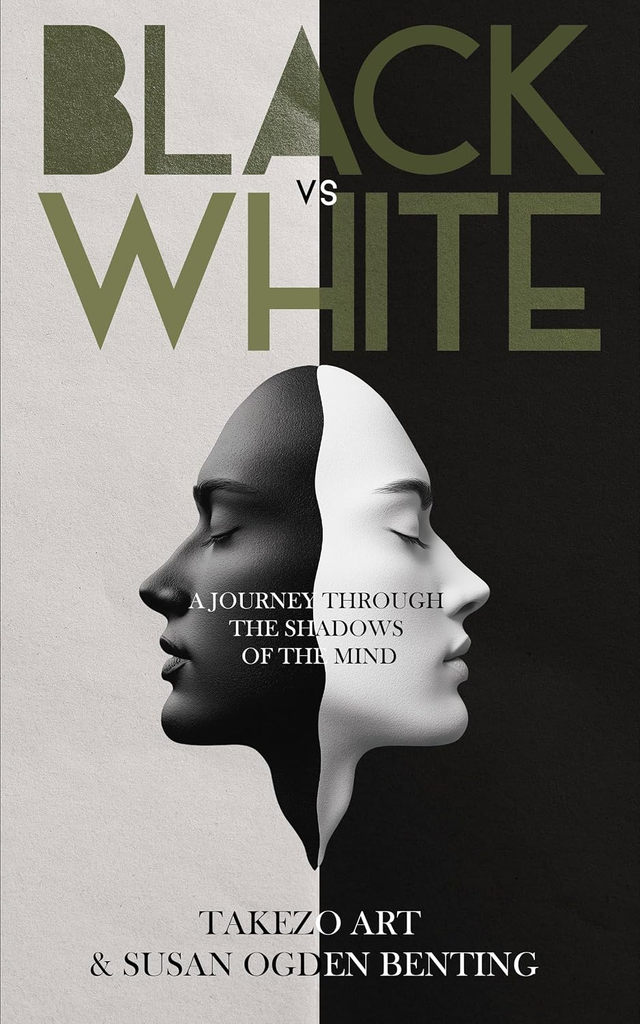
1. Black vs White: A Journey Through the Shadows of the Mind
Set in Mississippi in 1956, Black vs White by Takezo Art and Susan Ogden Benting tells the story of Eddy Grant, a 19-year-old Black man who discovers 17-year-old Lucille Washington after her murder. Authorities quickly make Eddy their only suspect instead of a witness. Police get a confession from him under pressure; his defense leaves big questions unanswered, and the jury convicts him in just 19 minutes. He is sentenced to death.
Retired attorney Samuel Jackson and former FBI agent Richard Black later review the case and find evidence missed by the first investigation. The story looks at racial discrimination through the actions of police, lawyers, jurors, officials, and powerful families. It is a focused historical fiction courtroom story about the consequences of deciding guilt before discovering and checking the facts.
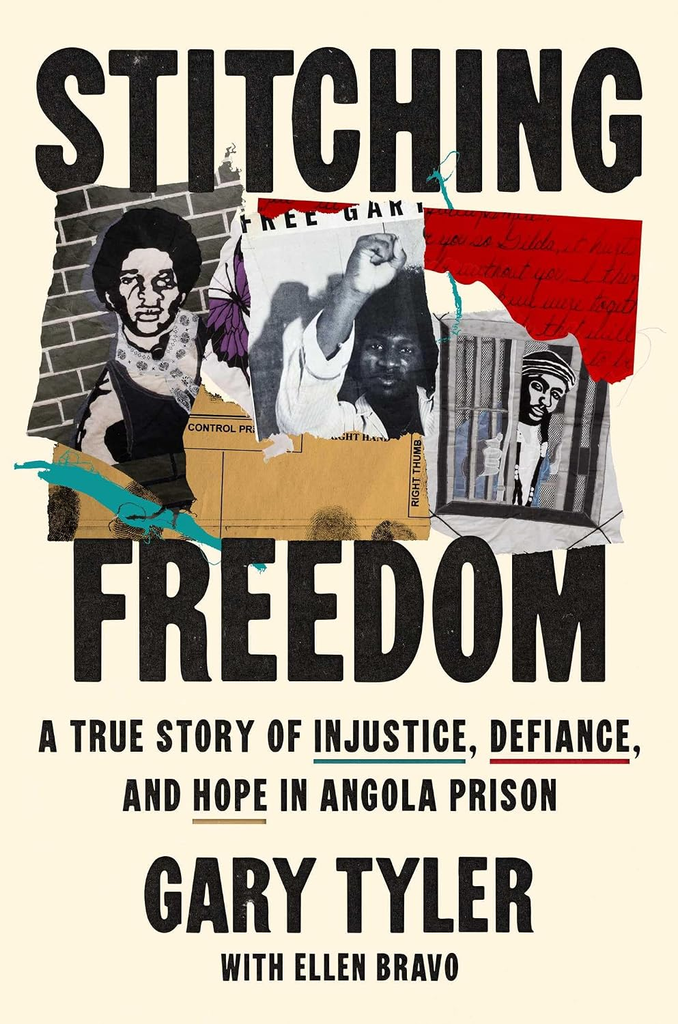
2. Stitching Freedom: A True Story of Injustice, Defiance, and Hope in Angola Prison
Gary Tyler was 17 when he was charged with killing a white teenager in Louisiana. An all-white jury convicted him, making him the youngest person on death row in the United States. Tyler spent over forty years in Angola prison before his release in 2016. He has never been formally exonerated.
Co-written with Ellen Bravo, Stitching Freedom brings readers into those lost years. Tyler talks about life in prison, his relationships, his creative work, and how he kept a sense of purpose. His memoir shows how a flawed investigation and a racially charged trial can shape a whole life. Readers who want to understand the personal cost of racial injustice will find a direct account here.
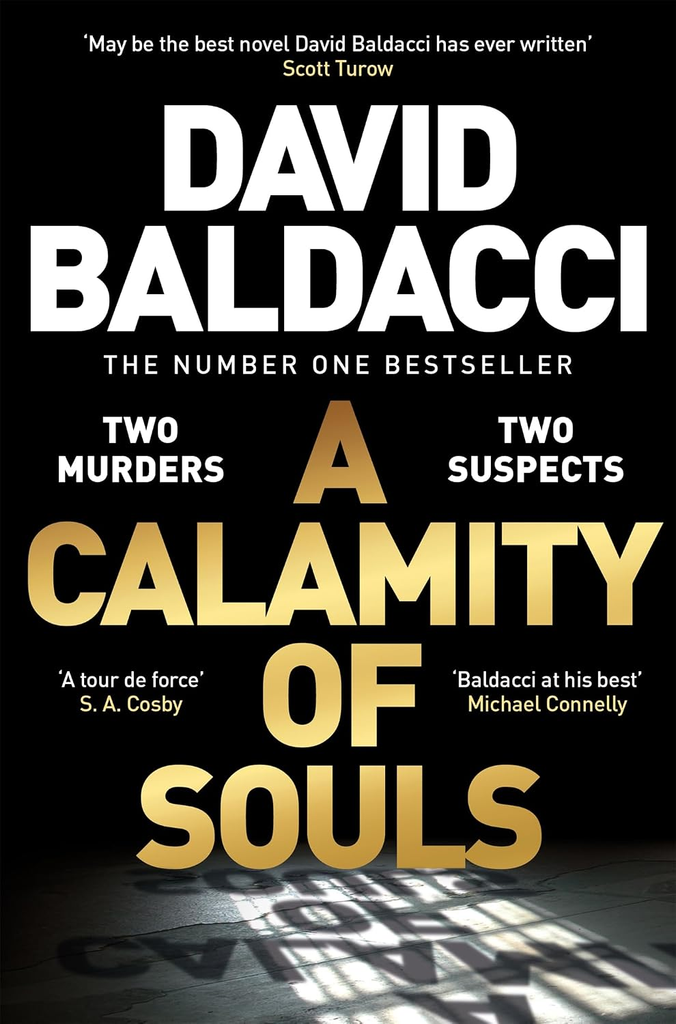
3. A Calamity of Souls
David Baldacci’s historical legal thriller takes place in southern Virginia in 1968. Jerome Washington, a Black man, is accused of murder after a wealthy white couple is found dead. Jack Lee, a white attorney, and Desiree DuBose, a Black attorney, defend him while the prosecution pushes for a guilty verdict and the death penalty.
The novel creates suspense with witness testimony, courtroom tactics, local influence, and racial tension. It shows how prejudice can weaken legal protections, even when those rights are written into law. The lawyers must review the evidence while dealing with a community that has already made up its mind. A Calamity of Souls is a good choice for readers who want an accessible courtroom novel set during the civil rights era and focused on racial injustice.
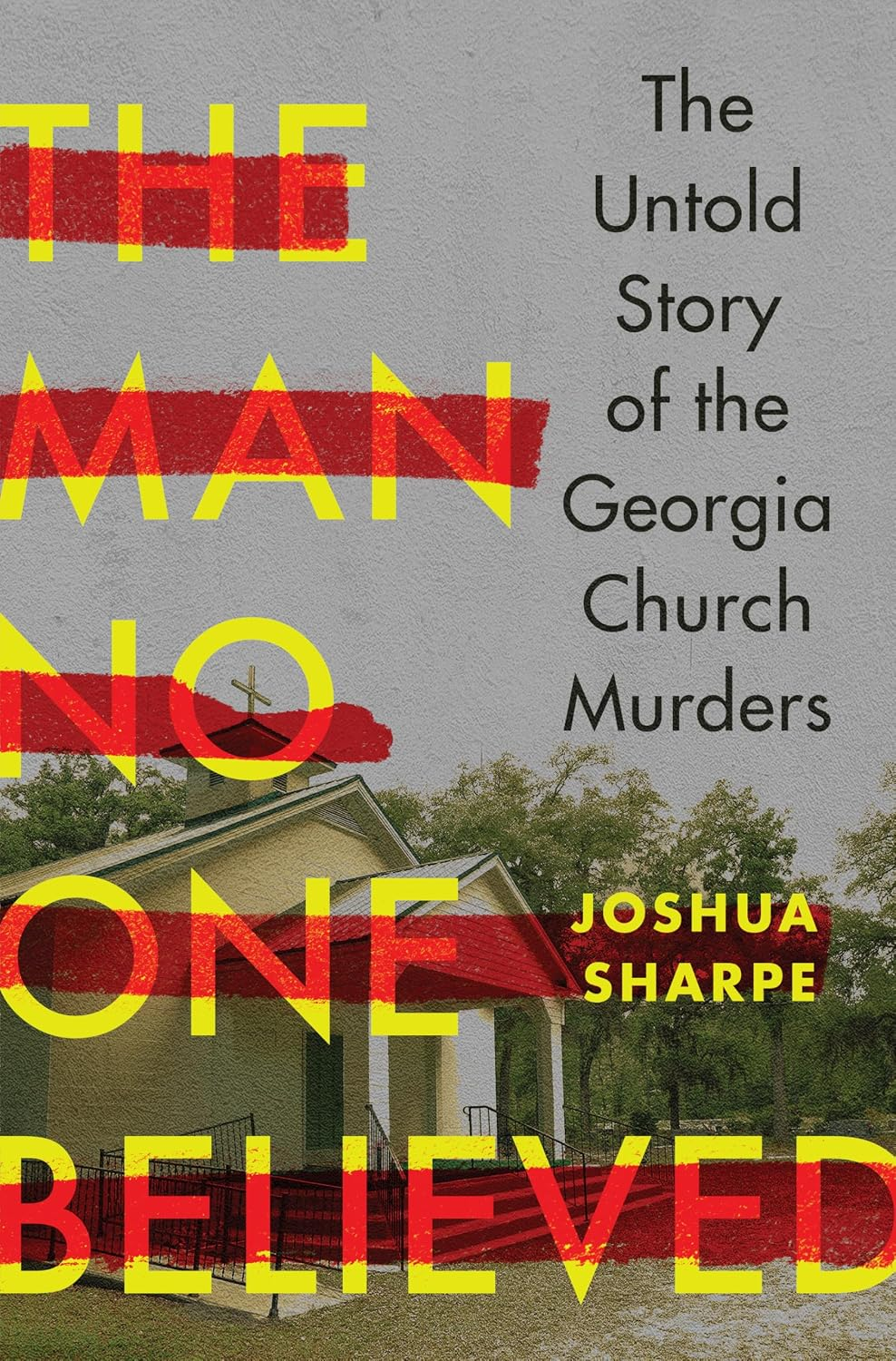
4. The Man No One Believed: The Untold Story of the Georgia Church Murders
Journalist Joshua Sharpe looks into the 1985 murders of Herbert and Thelma Swain, a Black couple killed in a Georgia church. The first investigation missed key clues, including evidence that might have shown a racist motive. Years later, Dennis Perry was convicted even though there was no clear motive or forensic evidence linking him to the crime.
Published in 2025, the book follows the reporting and DNA evidence that helped free Perry after more than twenty years. It looks at two related failures: how Black victims were treated and how a flawed investigation led to a wrongful conviction. Sharpe explains how early assumptions can influence witness interviews, evidence, prosecution choices, and the final verdict.
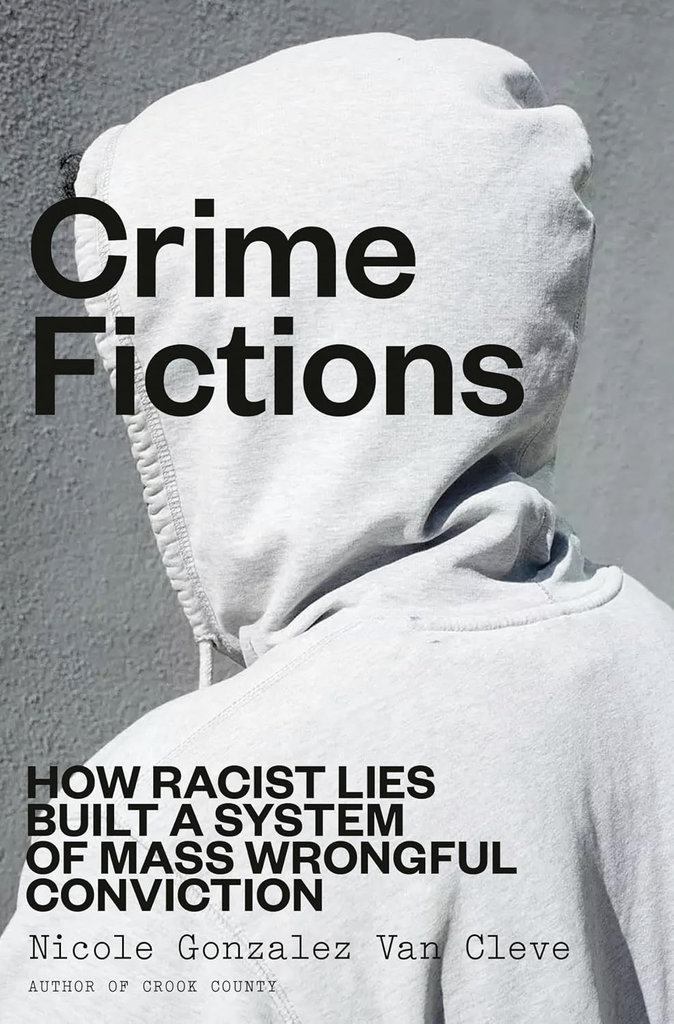
5. Crime Fictions: How Racist Lies Built a System of Mass Wrongful Conviction
Nicole Gonzalez Van Cleve’s 2026 book looks at wrongful convictions of Black children and young adults in Cook County, Illinois. As a sociologist who studies courts, policing, and legal culture, she uses interviews, court records, archives, and previously hidden documents.
The book covers cases like the Dixmoor Five and the Roscetti Four. Van Cleve shows how investigators pressured suspects, changed evidence, and repeated claims without strong support. Courts and news reports then gave those claims more weight. This is a relevant recent book for readers who want to see how institutional habits can lead to multiple wrongful convictions in similar ways.
Which Book Should You Read First?
Start with Crime Fictions if you want research into recurring failures across real cases. Choose Stitching Freedom for a first-person account of wrongful imprisonment. A Calamity of Souls and Black vs White offer fictional courtroom narratives set during earlier periods of American racial conflict. The Man No One Believed suits readers who prefer investigative true crime.
For anyone building a 2026 reading list of books about racial injustice, these five titles cover several sides of the subject. They ask how evidence was collected, whose account received authority, which leads were ignored, and whether the accused had a fair chance to be heard.